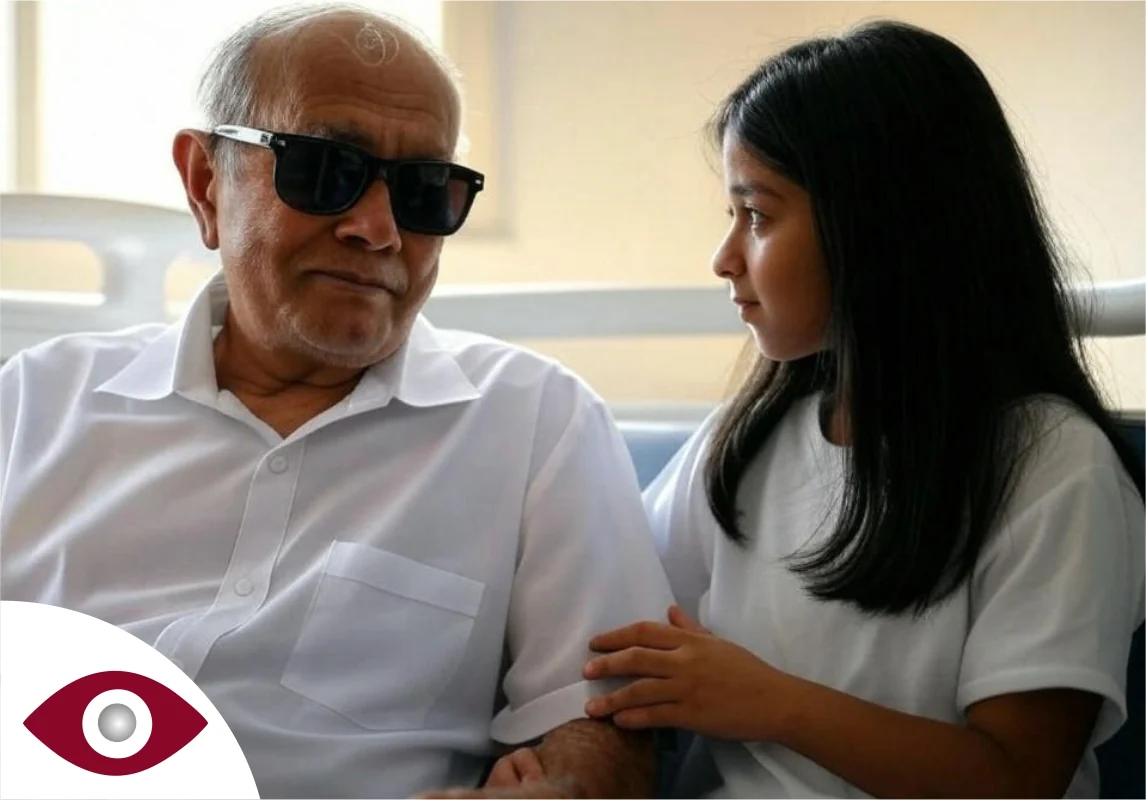
Glaucoma can damage the optic nerve gradually, making examination and monitoring important.
Understanding the eye-care topic
Glaucoma is a group of optic nerve diseases often associated with eye pressure. Many forms develop without early symptoms.
A comprehensive eye assessment considers vision, the front of the eye, eye pressure, optic nerve and retina. Many eye diseases are easier to manage when found before major vision loss occurs.
Symptoms and risk factors
Screening may include pressure measurement, optic nerve examination, corneal thickness, visual fields and OCT imaging. No single test confirms every case.
Some sight-threatening diseases do not cause pain. A normal-looking eye in the mirror does not exclude optic-nerve or retinal damage. Dilated examination and imaging are used when indicated, and urgent symptoms should not wait for a scheduled routine visit.
What a complete examination checks
Risk can be higher with age, family history, certain ethnic backgrounds, steroid exposure or previous eye injury. Follow-up frequency depends on the full risk profile.
Tests are selected according to age, symptoms, diabetes, family history, previous surgery and examination findings. Dilating drops may be used to examine the retina and optic nerve more completely.
Treatment and monitoring
Sudden pain, headache, halos, nausea and a red eye can indicate an acute pressure emergency and need immediate care.
Care may involve glasses, medicines, laser, surgery, monitoring or referral to another ophthalmic subspecialty. The patient should understand the goal of treatment and the signs that require earlier review.
Protecting vision in daily life
Use prescribed medicines consistently, control diabetes and blood pressure with the medical team, wear protective eyewear and attend the recommended review schedule. Sudden loss of vision, flashes with a curtain, severe pain or injury needs urgent care.
Keep a simple record of symptoms, medicines and changes in vision. This makes follow-up more useful and helps the care team decide whether the condition is improving, stable or needs a different plan.
When urgent assessment is needed
Seek urgent ophthalmic care for sudden loss of vision, severe or increasing pain, chemical exposure, a penetrating or high-speed injury, a rapidly worsening red eye, marked light sensitivity, pus-like discharge or a visible white spot on the cornea. Contact-lens wearers should remove the lens immediately when pain or redness begins.
Practical points to remember
- Glaucoma Screening: Protecting Vision Before Symptoms should be assessed in the context of vision, symptoms and an eye examination.
- Use prescribed eye drops and contact lenses exactly as directed; do not share or reuse old medicines.
- Keep previous scans, prescriptions and surgery records so that changes can be compared over time.
- Sudden vision loss, severe pain, injury, chemical exposure or rapidly increasing redness needs urgent professional assessment.
Preparing for your visit
Bring previous prescriptions, scans, operative notes, all current eye drops and a list of medical conditions or medicines. Contact-lens users should bring their lenses, case and cleaning products. Ask whether lenses need to be stopped before corneal mapping. Write down when the symptoms started, what makes them better or worse, and any injury, surgery or treatment that happened before the problem began.
Frequently asked questions
What is the main point to understand about Glaucoma Screening: Protecting Vision Before Symptoms?
Glaucoma can damage the optic nerve gradually, making examination and monitoring important. The exact cause and best next step depend on an in-person eye examination.
How is glaucoma screening: protecting vision before symptoms evaluated?
The ophthalmologist checks vision and examines the eye with a slit lamp. Corneal mapping, thickness measurement, tear tests, eye-pressure testing, dilated examination or laboratory sampling may be added when the finding requires them.
Can I treat this problem with over-the-counter eye drops?
Lubricating drops may reduce simple surface discomfort, but they do not treat every cause. Do not start steroid, antibiotic or redness-relief drops without an eye-care professional, especially when pain, injury, contact-lens wear or reduced vision is present.
When should I seek urgent eye care?
Seek urgent care for sudden vision loss, severe eye pain, chemical exposure, eye injury, rapidly increasing redness, marked light sensitivity, discharge or a visible white spot on the cornea.
This article is for general patient education and does not provide a diagnosis or individual treatment plan. Sudden loss of vision, severe eye pain, chemical injury, trauma or rapidly increasing redness requires urgent professional assessment.